
What Does the Customs Warehousing Regime Provide?
Goods that have not entered free circulation can be held in a bonded warehouse without paying import duties, and as a rule there is no time limit on how long they can stay. The legal basis in the Customs Law and the VAT Law.
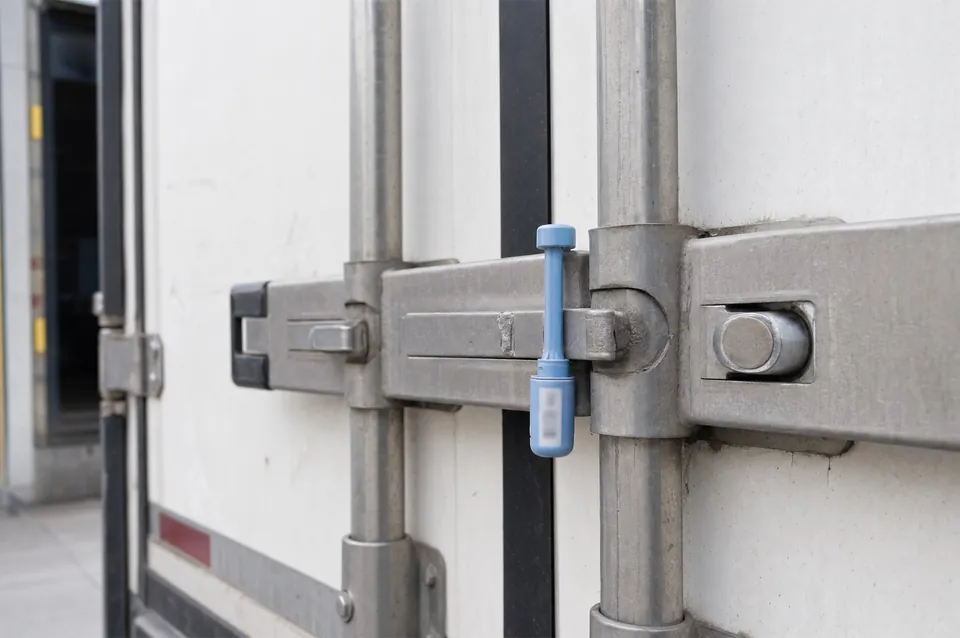
The customs warehousing regime governs the placing in a bonded warehouse of goods that have not entered free circulation and have not been subjected to import duties or trade policy measures (Customs Law, Art. 93). In practice it means this: goods arriving from abroad can be held in the warehouse before the import procedure is completed and before duties are paid.
When are the duties paid?
For as long as the goods remain under the warehousing regime, no import duties arise; the duties are paid when the goods enter free circulation. At that point, the warehousing charges and the cost of keeping the goods while in the warehouse are not included in the customs value, provided they are shown separately from the price actually paid (Art. 104/1).
On the VAT side, Art. 16/1-c of the Value Added Tax Law No. 3065 exempts from import VAT the goods to which the transit and customs warehousing regimes, temporary storage and free-zone provisions of the Customs Law apply. Even if the goods are sold while under the warehousing regime, no VAT arises; VAT is paid as import VAT when the goods enter free circulation.
How long can goods stay in the warehouse?
There is no time limit on how long goods may remain under the warehousing regime. Where it sees the need, however, the customs administration may set a period within which the goods must be assigned a new customs-approved treatment or use (Art. 101).
In practice, goods can be released into free circulation in parts, by lodging a declaration for the quantity needed; the remainder stays under the regime. Which quantity is released, and when, is the decision of the owner of the goods.
Can goods in the warehouse change hands?
Yes. Goods stored in a bonded warehouse may be transferred to another party by sale (Customs Regulation, Art. 333). The transfer is entered in the warehouse records; the goods remain under the regime.
Customs supervision and the operator's liability
The warehouse operator is responsible for ensuring that the goods remain under customs supervision while they are in the warehouse, for fulfilling the obligations relating to the safekeeping of the goods, and for complying with the specific conditions set out in the licence (Art. 96). Goods placed under the warehousing regime are entered in the records by the operator on the date they are placed in the warehouse (Art. 99).
Sources
- Customs Law No. 4458, Art. 93, 96, 99, 101 and 104.
- Value Added Tax Law No. 3065, Art. 16/1-c.
- Customs Regulation, Art. 333.
- Texts checked on the publication date of this note at mevzuat.gov.tr (official Turkish legislation database, in Turkish).
This note is for general information; for any specific transaction the current text of the legislation and the advice of your customs broker apply.